
How to Count Macros: A Beginner's Guide to Protein, Carbs and Fat
What protein, carbs and fat are, how many calories each gram provides, how to read macros on a food label, and how to track them without obsessing.
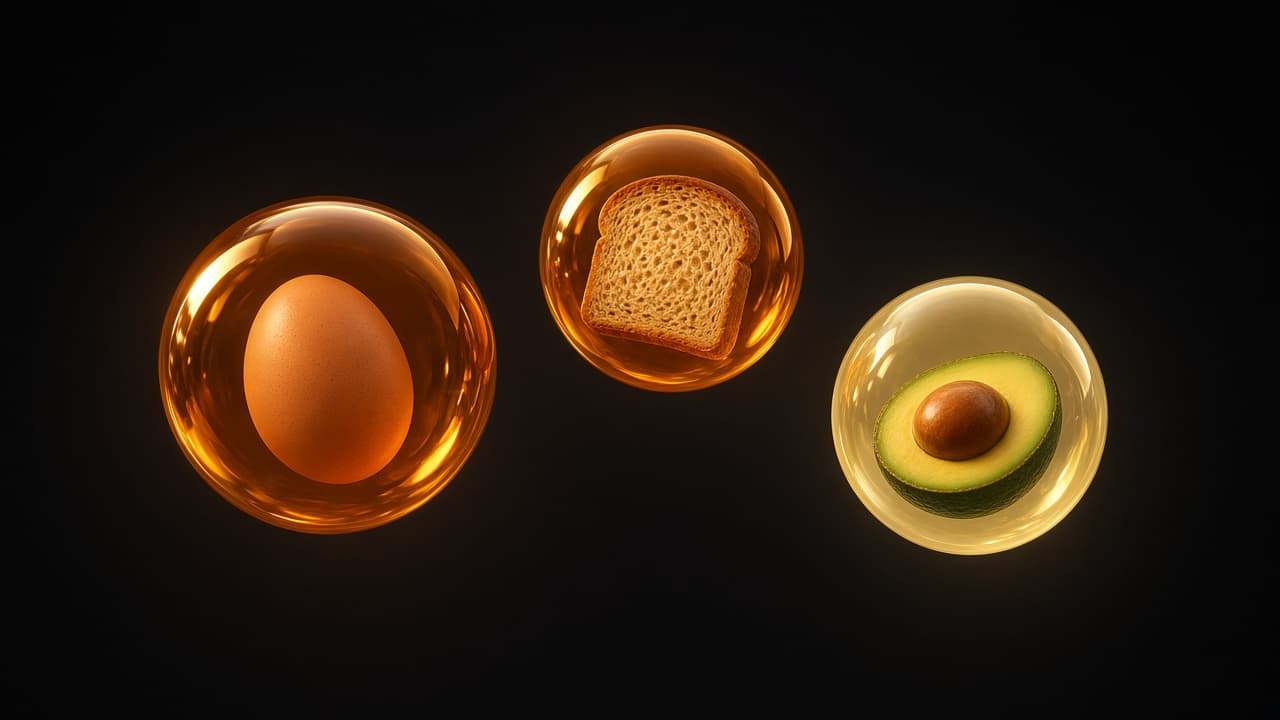
"Macros" is short for macronutrients: protein, carbohydrates and fat. They're the parts of food that give you energy, and together with alcohol they account for nearly all the calories you eat. Counting them isn't about hitting perfect numbers. It's about seeing what your meals are actually made of.
Here's what each one is, how to read them on a label, and how to track them without turning dinner into a math exam.
What macros are
Protein
Protein is in meat, fish, eggs, dairy, tofu, beans and lentils, and in smaller amounts in grains, nuts and vegetables. Your body uses it to build and repair tissue, including muscle. Many people also find that meals with some protein keep them full for longer, which is one reason it's often the first macro people pay attention to.
Carbohydrates
Carbs include sugars, starches and fiber. You'll find them in bread, rice, pasta, potatoes, fruit, vegetables, beans and milk, as well as in sweets and soft drinks. On a nutrition label, fiber and sugars are listed under total carbohydrate, so the total already includes them.
Fat
Fat is in oils, butter, nuts, seeds, avocado, cheese, fatty fish and meat, and in most baked goods and fried food. It carries flavor, helps your body absorb fat-soluble vitamins and is the most energy-dense macro by a wide margin.
What about alcohol?
Alcohol isn't a nutrient you need, but it does have calories, and they count toward your daily total.
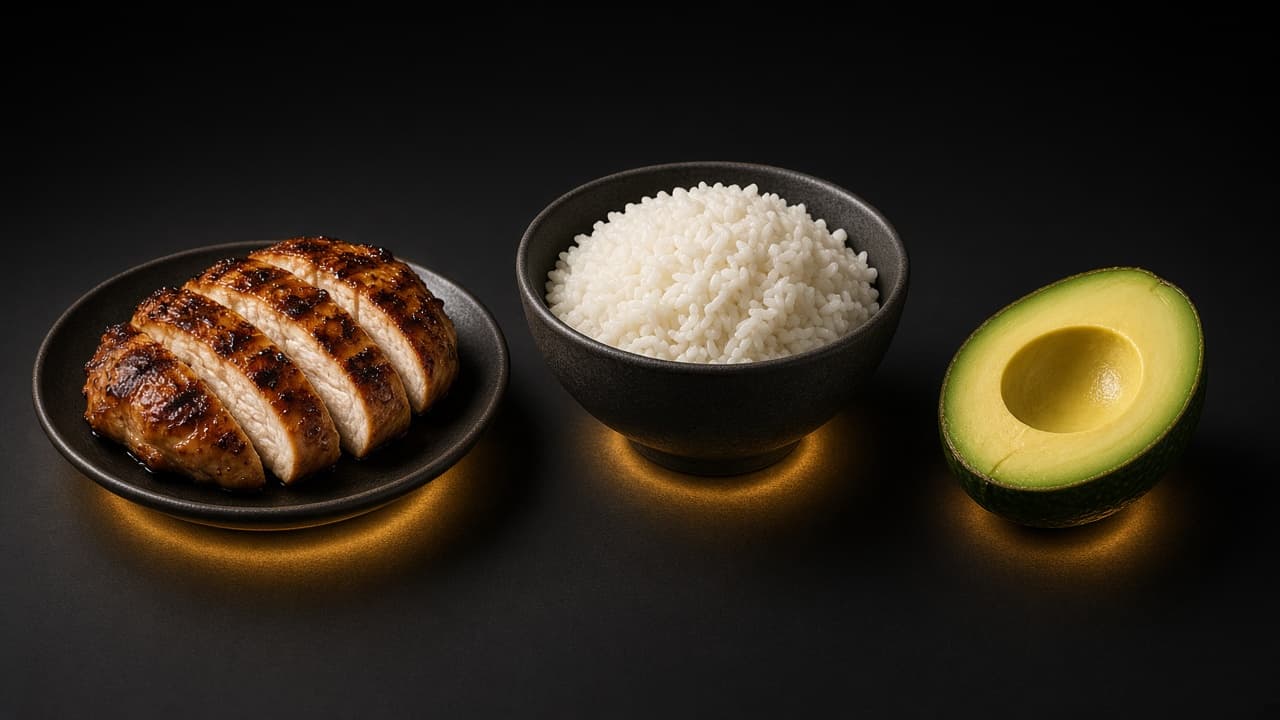
Calories per gram: the 4-4-9 rule
Each macro provides a fixed amount of energy per gram:
- Protein: 4 calories per gram
- Carbohydrates: 4 calories per gram
- Fat: 9 calories per gram
- Alcohol: about 7 calories per gram
The figures for protein, carbs and fat come from the USDA Food and Nutrition Information Center, and the same general factors appear in the FDA's labeling regulations that food manufacturers follow. The figure for alcohol is from the scientific report behind the Dietary Guidelines for Americans, which also notes that a US standard drink contains 14 grams of alcohol, or roughly 100 calories before any mixers.
Two useful things follow from this:
- You can check any food's calories from its macros. Multiply protein and carbs by 4, fat by 9, and add them up.
- Fat-heavy foods pack a lot of energy into a small amount. Gram for gram, oil has more than twice the calories of sugar or flour, which is why a drizzle here and a spoonful there moves your total so quickly.
How to read macros on a nutrition label
The Nutrition Facts label gives you everything you need, as long as you read it in the right order. The FDA's guide to the label covers it in detail. Here's the short version:
- Start with the serving size. Every number on the label refers to one serving, and a package often holds several. If you eat two servings, double everything.
- Find the three macros. Total Fat, Total Carbohydrate and Protein are listed in grams. Dietary fiber and sugars sit indented under carbohydrate because they're part of that total.
- Use % Daily Value as context, not a target. It's based on 2,000 calories a day, which the FDA uses as a general reference for nutrition advice. As a rule of thumb, 5% DV or less of a nutrient per serving is low and 20% DV or more is high. Protein often has no %DV at all, because it's only required in specific cases.
- Check the math once in a while. The FDA's sample frozen lasagna label lists 9 g of fat, 34 g of carbohydrate and 15 g of protein per serving. That works out to 81 + 136 + 60 = 277 calories, close to the 280 printed on the label. Labels round their numbers, so small gaps are normal.
If a food has no label, like a restaurant meal or something you cooked yourself, you'll need a database entry or an estimate. That's where a tracker earns its place.
How a calorie and macro tracker helps
You can count macros with a notebook and a calculator, but a tracker does the multiplying and adding for you.
In Bear Bite, you take a photo of your plate and the AI recognizes the food, estimates the portion and returns calories, protein, carbs and fat. You can adjust the portion before saving, or search for a food by name when you'd rather type, which works well for anything with a label. Your daily calorie and macro targets are built from your height, weight and goal, and workouts and steps synced from Apple Health are folded into your calorie balance.
The tool matters less than the habit. If you've tried logging before and dropped it after a few weeks, start with how to keep a food diary habit past week two.
Practical tips for counting macros
Get some protein at each meal
Rather than trying to catch up on protein at dinner, spread it across the day: eggs or yogurt in the morning, then chicken, fish, tofu or beans later on. Whatever your target is, it's much easier to reach when every meal contributes a little.
Watch the fats you don't see
Cooking oil, butter, dressings and sauces rarely look like much on the plate, but at 9 calories per gram they shift your totals fast. The guide to estimating portion sizes without a scale covers how to account for them.
Don't chase perfect numbers
Labels round, databases vary and photo estimates are approximate. Hitting your protein target to the exact gram doesn't matter. Being roughly in range most days does.
Look at the week, not the day
Daily totals swing with plans, appetite and what was in the fridge. Once a week, look at the weekly breakdown and pick one small change, like adding a protein source to breakfast. The AI coach can suggest recipe ideas based on what you've already logged.
How to set macro targets
There's no single right macro split for everyone. How many calories you need depends on things like your age, sex, height, weight, metabolism and activity level, as the NIDDK explains. How you divide those calories between protein, carbs and fat depends on that, plus your goal, food preferences and health.
Targets calculated from your height, weight and goal are a reasonable starting point for most people. If you have a medical condition such as diabetes or kidney disease, are pregnant, or have specific training needs, a doctor or registered dietitian can help you set targets that actually fit you.
A note on accuracy
Every macro number you log is an estimate, whether it comes from a label, a database or a photo. That's fine: consistent estimates still show you reliable trends over weeks. This article is general information, not medical advice. If you have a medical condition or specific dietary needs, talk to a doctor or a registered dietitian before changing how you eat.
Keep reading

 Bear Bite••3 min read
How to Keep a Food Diary Habit Past Week Two
Most people stop logging meals within a couple of weeks. Here's how to make calorie tracking small enough to survive busy days, travel and the occasional pizza night.
 Bear Bite••6 min read
How to Estimate Portion Sizes Without a Food Scale
No food scale? Use your hand, everyday objects and a few simple habits to estimate portions well enough for calorie tracking, and find the hidden calories.

 Photo Wash••3 min read
How to Organize iPhone Photos by Country and City
Your iPhone already knows where most of your photos were taken. Here's how location data works, why some photos have none, and how to turn years of pictures into albums by place.